
Why we are doing this
Phillip and Mary Riesland’s own relationship with wine began in the most humble and unpolished way—two novices making their way through tasting rooms in Napa and across France. But slowly, as they learned more about the artistry, science, terroir, and human devotion behind each bottle, their curiosity transformed into a deep and lasting passion.
As Phillip and Mary have collected these rare wines—both the ten originals and the “unicorn” bottles that will be featured during the dinner—it became much more than a hobby. It became a way for them to honor a moment in time, to preserve and share pieces of history that helped shape the wine world we love today. Opening these bottles feels like opening fragile time capsules, and they are grateful for the opportunity to share them with people who understand their significance.
At the same time, their lives were profoundly touched by a different kind of rarity. Mary’s godson, Noah, was diagnosed with Malan Syndrome, an exceptionally rare genetic disorder affecting just over 350 individuals worldwide. His journey inspired them to use this gathering not only to celebrate rare wines, but to support the rare disease community by launching The Rare Society Foundation — a charitable organization dedicated to raising awareness and funds to support the rare disease community, beginning with Malan Syndrome.
This rare genetic disorder is caused by a change in the Nuclear Factor One X (NFIX) gene, affecting just over 350 individuals worldwide. This genetic disorder is associated with a loss of function in one of the two copies of the gene, referred to as NFIX haploinsufficiency. The one functioning copy of the gene does not produce enough NFIX protein for the body to function normally. The NFIX protein plays an essential role in brain and muscle development as well as skeletogenesis.
This event serves as a bridge between two rare worlds—historic wines and rare diseases—brought together in hopes of raising critical awareness and funds for Malan Syndrome.
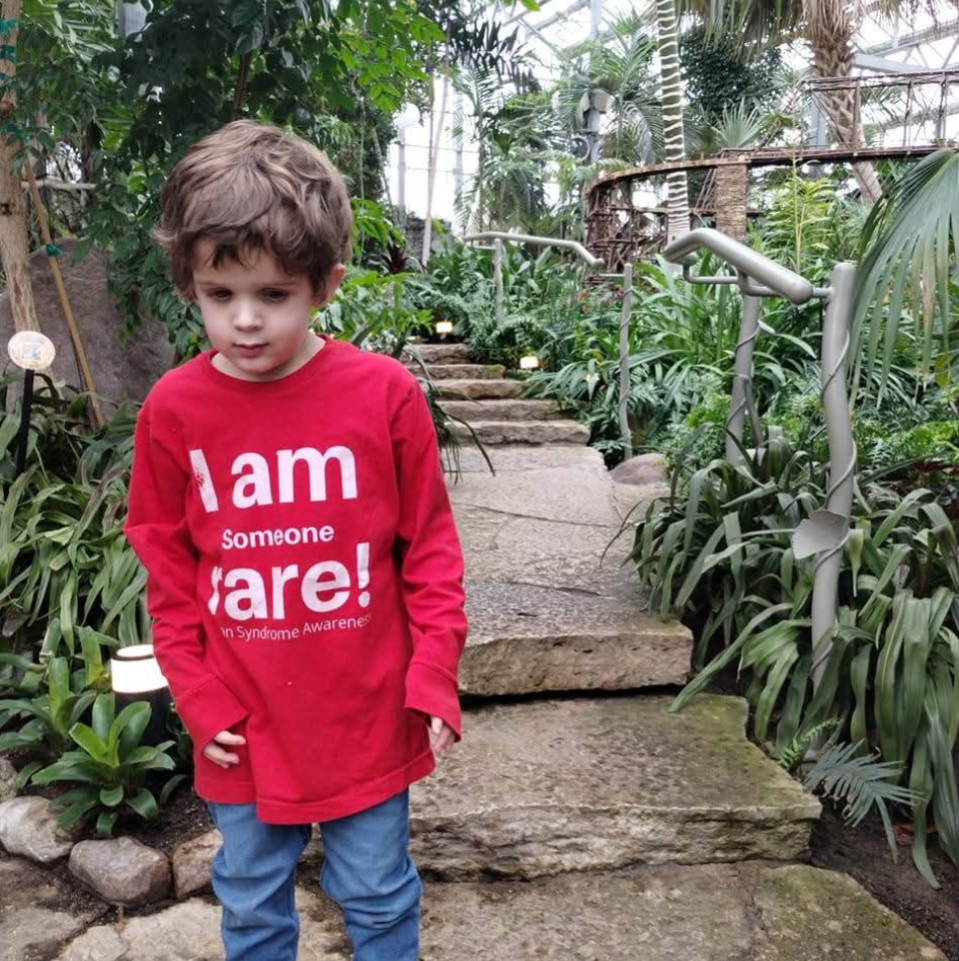
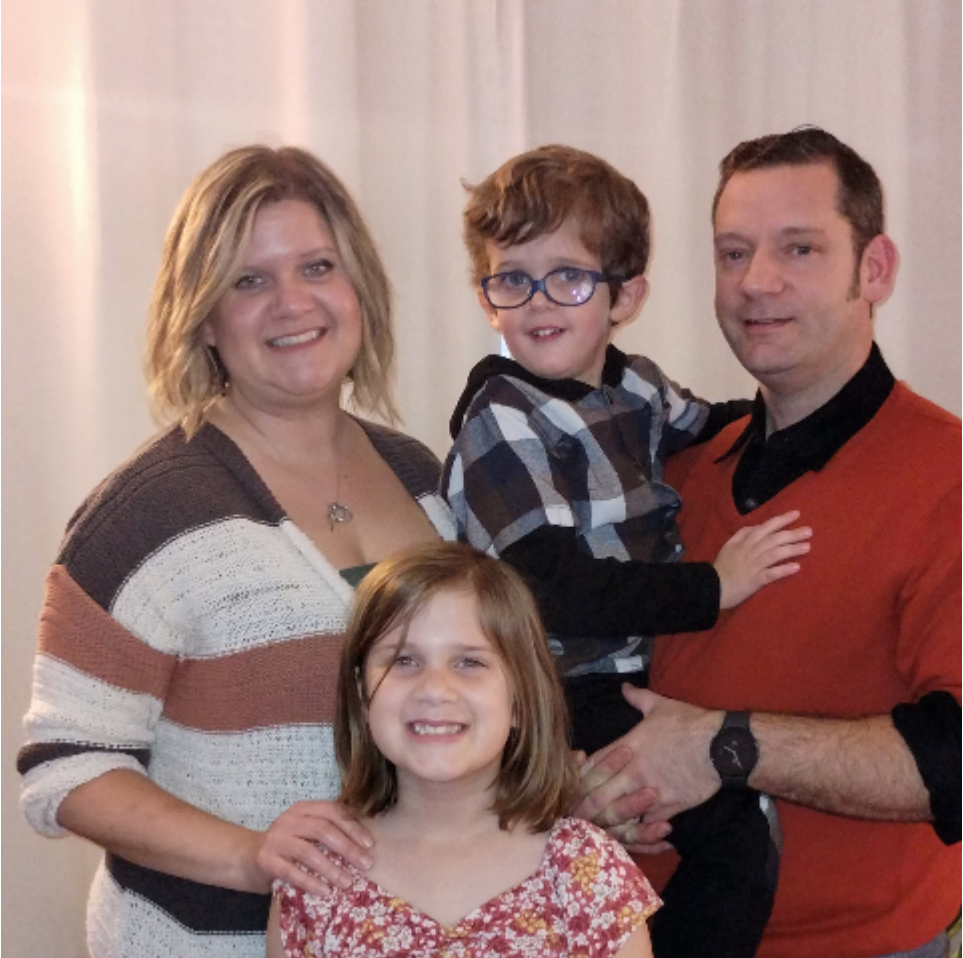
Noah’s Story
Noah was born your typical, healthy newborn. At around 6-9 months, Noah began to seem a little weaker trying to sit up, and even though he enjoyed being on his stomach, crawling was not of interest to him. As each month came and went, Noah began to miss the mark on meeting "typical" developing baby milestones. Noah wasn't pointing, babbling, sitting up on his own, or smiling at familiar people. Although we voiced our concerns with our pediatrician, she reassured us that each child develops at their own pace, and boys are typically delayed. Soon after Noah turned one, and still not having the strength to walk on his own, sleeping through the night was not something we experienced in our household, and he was falling further and further behind on fine and gross motor skills; it was then that we knew it was time to get a second opinion.
With our new pediatrician in place and the many noticeable physical abnormalities she documented, we were on the fast track for Early Intervention in our county where Noah received Speech, Occupational, Physical, and Developmental therapies at daycare and in our home. Our pediatrician also recommended that we meet with the genetics team at Lurie's Children's Hospital in Chicago. After meeting with their team, our genetics counselor noted several physical abnormalities and recommended genetic testing for whole exome sequencing. On November 22, 2021, we received the call that Noah had a rare genetic disorder- Malan Syndrome. Unfortunately, with only 200 cases worldwide in 2021, we were referred to visit the Malan Syndrome Foundation's web page and educate ourselves about the disorder. What can you say as a parent who has just learned their child has an unknown future ahead of them, with several possible health risks? We truly mourned the loss of what we thought our child's future would be, but we embraced the fact that we now had answers and our search for answers was over.
Fast forward to present day, where Noah is thriving in what we describe as "Noah Milestones." Our journey to this point has not been easy, or easily described, but we continue to advocate for him, and our new Rare Malan Community. Noah is seen by several specialists and has undergone an Echocardiogram, MRI with sedation, an overnight sleep study, EEG, and has had ear tubes in place with also having his tonsils and adenoids removed.
Noah enjoys the outdoors, music, water play, and interacting with other kids. He is such a silly, playful, and loving little boy. We will attend our 3rd Family and Scientific Conference in 2026, where we will gain insight into the research being done for our children, meet other families on the same journey as our own, and grow HOPE together for their future.
We attended the second Malan Syndrome Family and Scientific Conference, in Orlando, Florida in 2025. We met with doctors, scientists, and families from all around the world. In that time, we gained a better sense of understanding of the risks posed by those affected by Malan Syndrome, and gained a new sense of hope for the future with our rare community. Noah has grown by leaps and bounds. He has completed kindergarten in his self-contained cross categorical classroom where he made many friends, attended his first school field trip, and sang in his first choir concert. This fall, Noah will be enrolling in a new school where his classroom will be focusing on gaining new important life skills.
Thank you for taking the time to learn a little bit about our journey, and the continued love and support from family and friends.
Nicole and Zeljko
Parents of Noah (6) and Sofia (10)
A Reason to Hope
In 2024, the Malan Syndrome Foundation funded two grants through the generous contributions from donors. The first grant, in the amount of $15,000, was awarded to Senyene Hunter, MD, PhD, from the University of North Carolina at Chapel Hill . Her research focuses on phenotyping epilepsy in individuals with Malan Syndrome. The second grant for $30,000 was awarded to Jessica Cale, PhD, at Murdoch University. Her research focuses on antisense oligonucleotide-mediated therapeutic intervention for Malan Syndrome.
In March 2025, the Malan Syndrome Foundation launched its Malan Syndrome Initiative at the Children’s Hospital of Philadelphia (CHOP), the FIRST multi-specialty clinical program for Malan Syndrome in the United States. In May, 2025, CHOP made headlines as the first institution to successfully treat a patient with a personalized CRISPR gene-editing therapy. This represents a truly historic moment in medicine, moving beyond one-size-fits-all treatments to personalized gene therapy for rare diseases. For the Malan Syndrome community, this breakthrough is more than just promising news - it’s a beacon of what may be possible in the future. As CHOP continues to lead the way in innovative therapies, we are proud to support their mission of accelerating research, expanding understanding, and ultimately transforming the future of care for individuals living with rare diseases.
Sunflower Significance
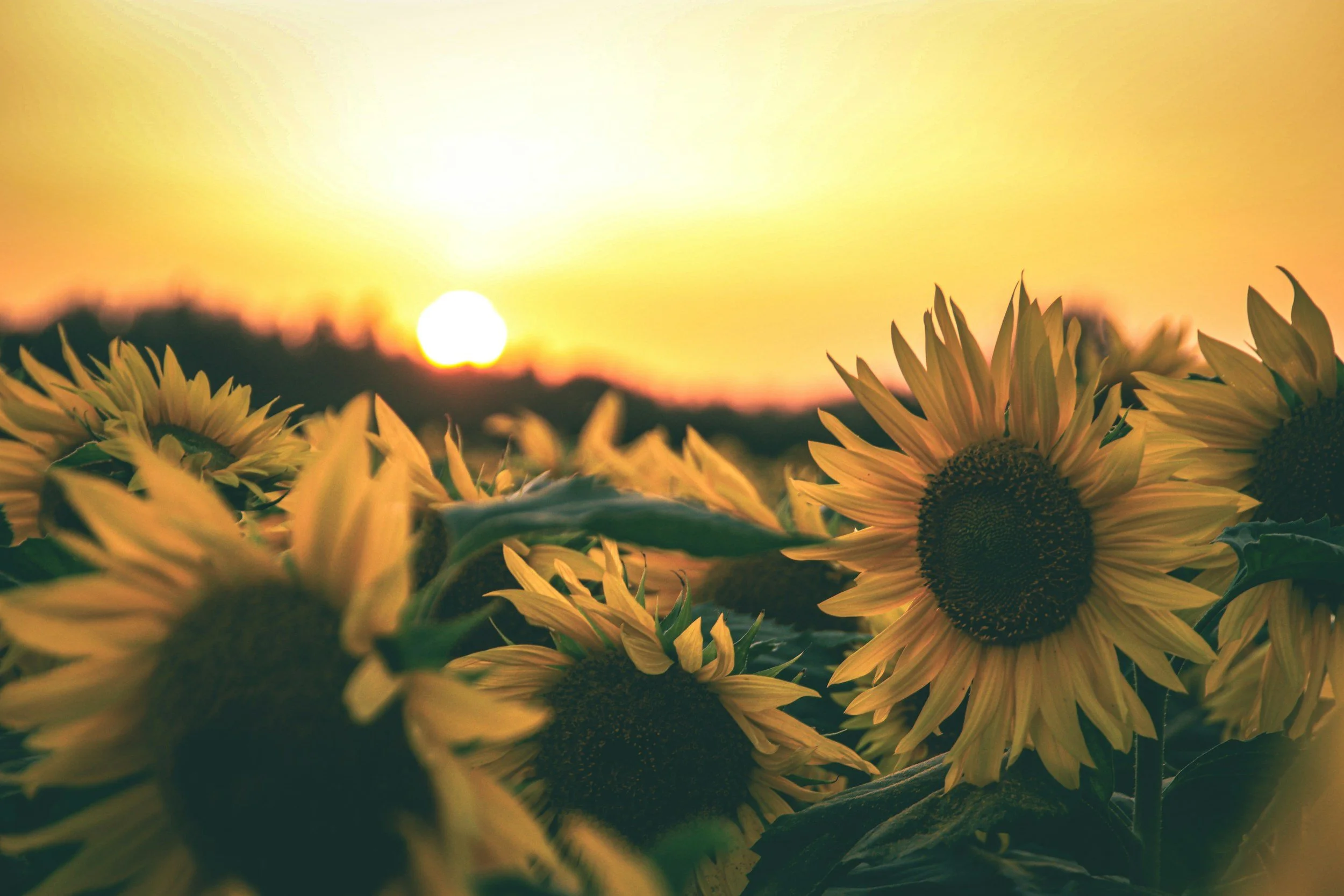
Sunflowers are tall and resemble the sun, which is associated with warmth, positivity, hope and happiness. They are hardy with a robust stem, capable of enduring difficult conditions. Like the sunflower, those affected by Malan syndrome stand tall, are resilient and bright.
Contact us
Interested in learning more about the event or how you can support the Malan Syndrome Foundation? Send us a note!